How to Build an Effective Supplier Performance Reporting Process
Procurement professionals understand that signing a contract is only the beginning of effective supplier management. To sustain value over time, procurement teams must actively monitor and improve supplier performance through a structured Supplier Relationship Management (SRM) process. A clear supplier performance reporting approach enables organizations to track key metrics, address issues early, and keep suppliers aligned with broader procurement strategy and business goals. Otherwise, even the most promising partnerships can lose momentum or fail to deliver results.
This article explores the key elements of supplier performance reporting and outlines three types of supplier relationships your team likely manages. By applying these insights, procurement can drive stronger outcomes through strategic segmentation and proactive performance oversight.
The Supplier Performance Reporting Process in Procurement
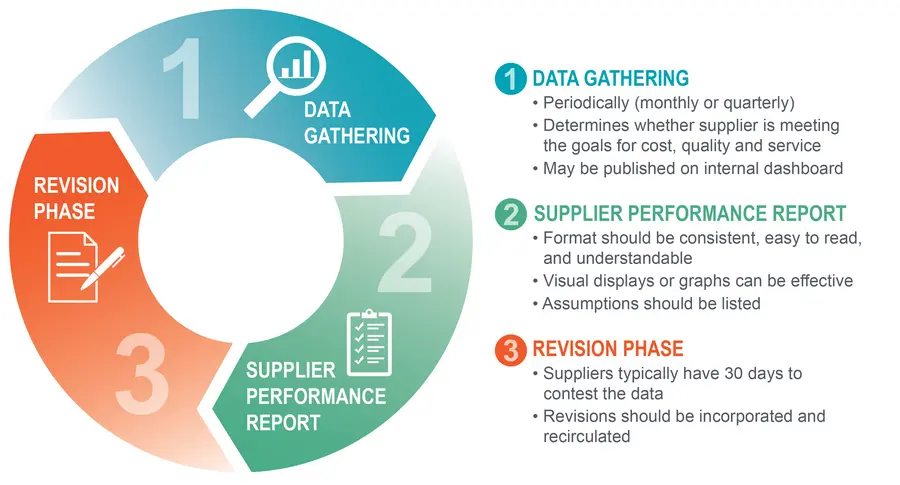
1. Data Gathering Phase
2. Supplier Performance Report
3. Revision and Correction Phase
Finally, share the report with suppliers, giving them an opportunity to review results and provide feedback. This phase ensures that suppliers can identify errors or omissions, such as missing regional data, before finalizing the report.
Above all, keep the process simple, repeatable, and easy to understand so that both teams stay focused on improvement—not administration.
Types of Supplier Relationships
1. Tactical Relationships (Mail Carrier Model)
2. Collaborative Supplier Relationships (Neighbor Relationships)
3. Strategic Suppliers (Roommate Relationships)
Strategic suppliers are like roommates: highly interdependent, in constant communication, and invested in shared success. These partnerships typically support critical categories such as logistics, IT, or manufacturing inputs.
Strategic relationships demand frequent performance reporting, joint problem-solving, and senior management engagement. Both organizations work together to identify improvement opportunities, adjust contract terms, and drive mutual gains in cost, quality, and service. The LTL Freight example above illustrates this level of collaboration.