

The Electrification Era: A Defining Moment for Utilities
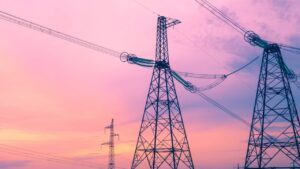
Electrification is accelerating, and utility companies are at the center of the transformation. From electric vehicles (EVs) to energy-intensive AI data centers, demand for electricity is surging, putting unprecedented pressure on our energy infrastructure and the global supply chain.
As industries and governments intensify efforts to reduce carbon emissions, utilities have a critical role to play. Yet, this opportunity comes with significant complexity. Supply chains are being stretched thin—particularly in securing essential materials like copper, lithium, and rare-earth elements that power EVs, batteries, and next-generation energy systems.
Meanwhile, much of our energy infrastructure is aging. In the U.S., many parts of the electric grid have aged over 125% of their useful life, and were never designed to accommodate today’s dynamic, decentralized power demands from today’s increased electrification, supported by more diverse sources like wind and solar. Meeting this moment requires bold investment in both physical infrastructure and digital capabilities.
Adapting to the new energy landscape
To rise to the challenge and embrace the opportunity, utilities must adopt a multi-pronged approach that focuses on innovation, resilience, and long-term sustainability:
1. Leverage smart technology
Advanced energy storage, smart grids, and intelligent distribution systems are no longer optional—they’re essential. These technologies empower utilities to manage fluctuating demand more effectively, improve efficiency, and deliver energy more reliably, even in the face of growing complexity. Real-time data, automation, and adaptive systems give providers the agility needed to respond to shifting conditions and customer expectations.
2. Modernize infrastructure
Many existing grids and facilities were built for a different era. Upgrading aging infrastructure is about creating a foundation for the future. Infrastructure modernization opens the door to cleaner, more efficient energy delivery, while also enhancing system resilience and reducing long-term operational costs. It’s a chance to innovate and rethink how power is generated, transmitted, and consumed.
3. Strengthen supply chains
Geopolitical tensions, raw material shortages, and climate-related events continue to disrupt traditional supply chains. For utility providers, this means resilience and visibility are more critical than ever. By embracing predictive analytics, scenario planning, and AI-driven tools, utilities can identify potential disruptions early, make smarter procurement decisions, and build more flexible, responsive supply networks.
The bottom line: Lead through change
At this pivotal moment for utilities, electrification presents both challenge and opportunity. While increased electrification introduces added complexity, it also creates a powerful platform for innovation, industry leadership, and long‑term impact. As a result, organizations that recognize this opportunity—and in turn embrace advanced technologies, invest in modernization, and prioritize operational agility—will not only navigate today’s pressures but will also lead the charge in shaping a more sustainable, resilient energy future.
To learn more, download ProcureAbility’s whitepaper Currents of Change: Electrification’s impact on the utility supply chain.Within the report, you’ll explore how utilities can proactively respond to rising electrification demands and, at the same time, build supply chain strategies that are resilient, adaptable, and future‑ready.
Author:

Conrad Snover
CEO of ProcureAbility